
Yorkshire has had a proper summer in 2026. The UK has already seen five separate heatwaves this year, including a record-breaking spell in May that pushed London past 35°C, and Yorkshire and the Humber has sat under Met Office yellow heat-health alerts more than once since. If your loft felt like an oven this July, you weren’t imagining it. It’s also exactly the kind of summer that gets people asking us: do solar panels keep your house cooler?
The answer is yes, and it’s one of the lesser-known upsides of going solar. Here’s how it works, what the research actually shows, and what it means for a typical Yorkshire home.
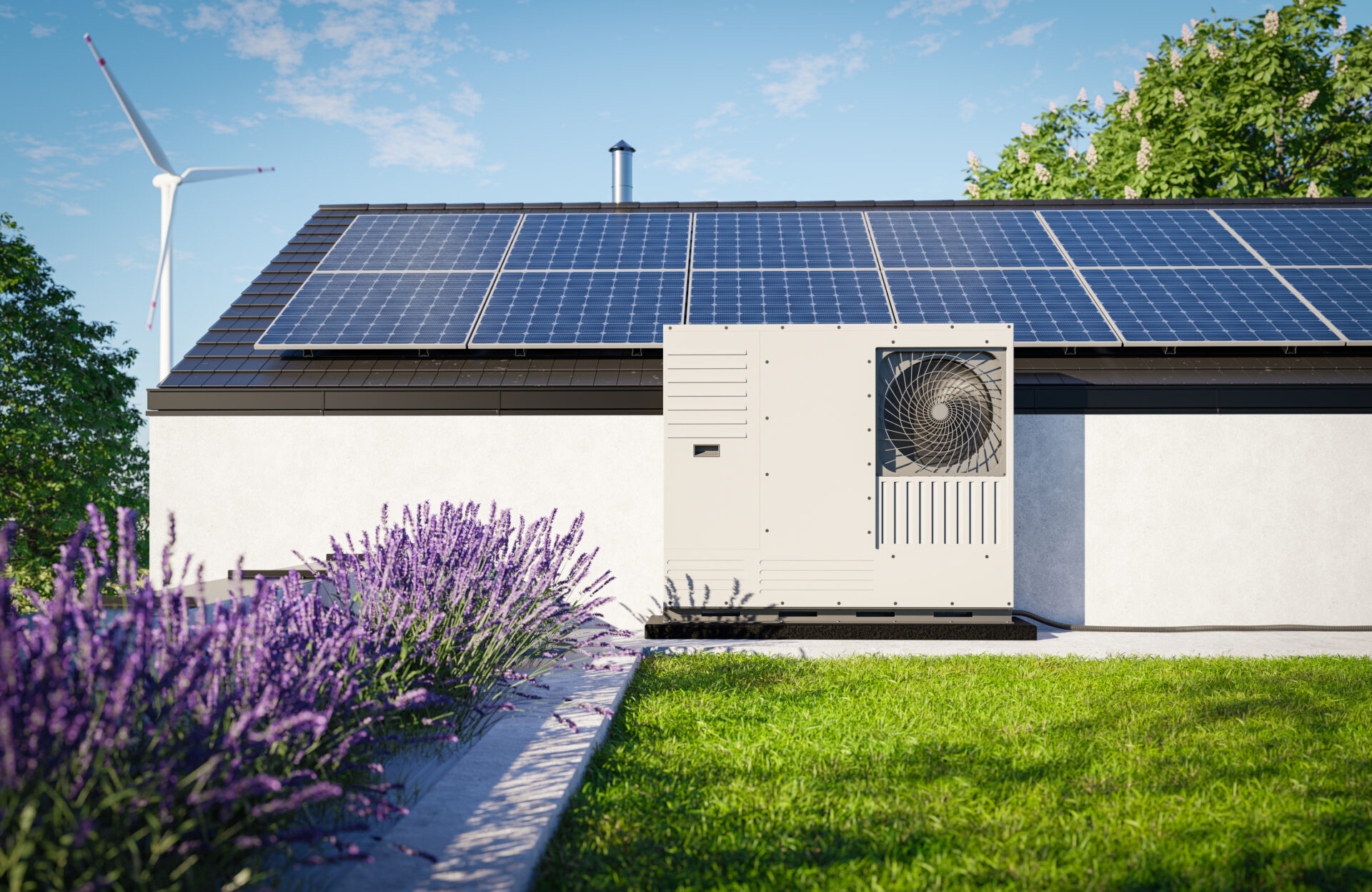
So, how do solar panels cool a house down?
Panels don’t sit flat against your tiles. They’re fixed a few centimetres above the roof on mounting rails, with a gap running underneath. That gap does most of the work. On a hot day, the panels catch the sun before it reaches your tiles, and air moving through the gap carries a good share of that heat away before it gets anywhere near your loft.
Some of the energy that hits the panel becomes electricity. Some is reflected. The rest escapes into the passing air. Very little of it ends up soaking into the roof structure the way it would on a bare, dark-tiled roof left exposed to full sun all day. It’s a permanent, ventilated parasol over your roof, generating free electricity while it’s up there.
What the research actually shows
Researchers at the University of California, San Diego spent a year monitoring a real building, with solar panels covering part of the roof and a section left exposed for comparison (Dominguez, Kleissl & Luvall, Solar Energy, 2011). Using thermal cameras, they recorded ceiling temperatures under the panels running up to 2.5°C cooler than the exposed roof, with the biggest gap appearing in the late afternoon, right when cooling demand tends to peak. Their modelling put the saving on annual cooling load at 38%, with no penalty on winter heating.
Other studies have landed on the same broad conclusion since, even if the exact numbers vary. A 2014 study of rooftops across Paris found panels cut air conditioning demand by around 12%, while also easing the local urban heat island effect. A more recent 2025 study from Western Sydney University measured the combined heating-and-cooling saving from rooftop PV shading at around 5 to 6%. The figures shift depending on climate, roof type and how the panels are mounted, but the pattern holds: a shaded roof runs cooler, and a cooler roof asks less of your air conditioning.
Homeowners are noticing it too
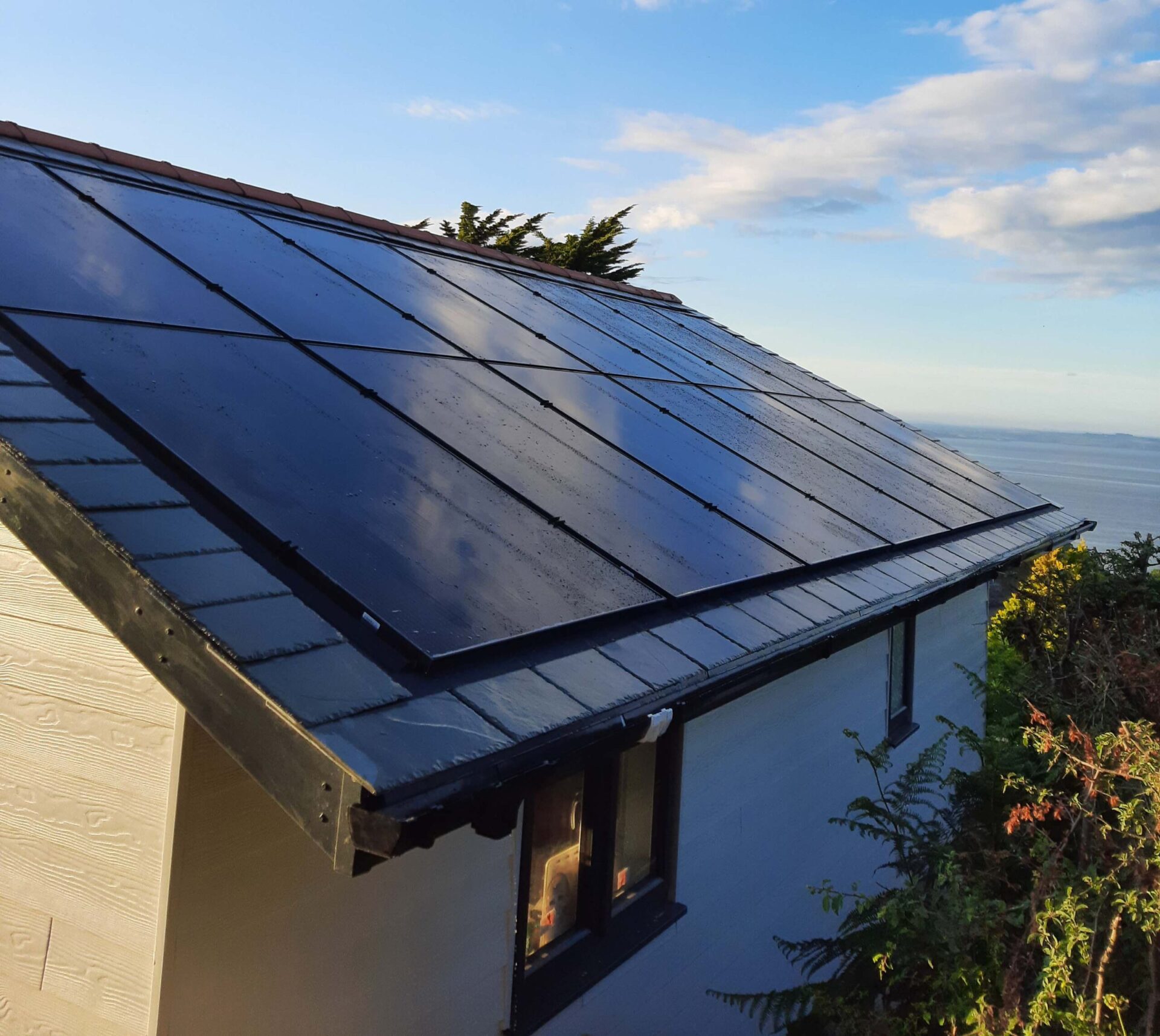
You don’t need a thermal camera to spot this one. It’s a recurring theme on UK solar forums. People who’ve had panels fitted often report their loft running noticeably cooler on hot days than it used to, sometimes confirmed with nothing more scientific than a cheap thermometer left up there before and after installation. One well-known thread on Reddit’s r/solar described a loft that used to bake in summer running consistently cooler once panels went up, with the homeowner crediting it for both a comfier top floor and less time spent running the air conditioning.
The UK climate isn’t Arizona, and our lofts tend to be better insulated than the ones behind some of those posts. But the physics stays the same wherever the postcode is. A shaded roof is a cooler roof.
Will you notice it in a Yorkshire summer?
The honest answer is, it depends on your home.
If your loft is well insulated, which most are these days, that insulation is already doing the heavy lifting of keeping roof heat out of your living space. Panels add a smaller layer on top of that, and you may not notice much difference two floors down in the lounge.
Where it counts for more is anywhere with less of a buffer between the roof and the room below: a loft conversion, a dormer bedroom, an older property with thinner insulation, or that top-floor room that’s always the warmest in the house come July. In those spaces, a cooler roof is a difference you can feel, not just measure.
And with 2026 already having delivered five heatwaves and a record-breaking spell in May, it’s a difference more Yorkshire homes are starting to care about. Whether you’re in York, Harrogate, Sheffield or anywhere in between, a scorching loft in July isn’t a one-off event any more. It’s becoming a pattern.
The bigger saving: less demand on your air conditioning and your bills
A cooler roof is the passive side of this. The active side is what happens when you pair solar with a battery.
Cooling demand and solar generation line up neatly. Your panels produce the most power exactly when the sun’s strongest, right when you most want a fan or air conditioning unit running. Add a solar battery, and any surplus you generate during the day gets stored to keep those same appliances going into the evening, once the sun’s down but your house is still holding on to the day’s heat.
That’s less pressure on the grid and less pressure on your bill. It’s the same principle behind why a good number of our customers end up paying very little for electricity, and why a few, once their system and usage settle in, stop paying an electricity bill altogether. Savings like that always come down to your own roof, usage and system size, so we won’t promise a number here. But it’s the direction most of our customers see.
Which homes see the biggest cooling benefit?
A few features tend to predict who notices this most:
- A larger array covering a good share of a sun-facing roof slope. More panel means more shaded roof.
- Rooms built into the roof space, or an older property with thinner loft insulation.
- South or west-facing roofs that take the strongest afternoon sun. Handily, that’s also the orientation that generates the most electricity.
If none of those describe your home, the cooling effect is still there. It’s simply a smaller part of the package than the lower bills and cleaner power your system delivers either way.
A few honest caveats
Not every property is suited to solar, and any savings, cooling included, depend on your roof and how well insulated it already is. That’s why we always survey a property in person before recommending anything, rather than working off a desktop estimate. If your loft is already well insulated, expect the cooling effect to be a pleasant extra rather than the main event.
Frequently asked questions
Do solar panels make your roof cooler, your loft cooler, or both?
Both. The section of roof under the panels runs cooler than the exposed roof beside it, and that keeps the loft space underneath a little cooler on hot days too.
Will solar panels replace my air conditioning?
No, and we wouldn’t want to promise that. Treat the cooling effect as a bonus that works alongside good ventilation, blinds and air conditioning. It won’t replace any of them.
Does the shading harm the panels or the roof?
The opposite, if anything. The same ventilated gap that shades your roof keeps the panels cooler too, and solar cells run a touch more efficiently at lower temperatures. Smaller daily temperature swings tend to be gentler on roofing materials as well.
Do I need a battery to get the cooling benefit?
No. The shading happens regardless of whether you have battery storage. A battery is what lets you use stored solar power to run fans or air conditioning after the sun’s gone down, which is a separate, and bigger, saving.
Book your free solar assessment
Every roof is different, and the size of any benefit, cooling included, comes down to your insulation, your roof’s orientation and how your home’s built. That’s why Ed and Oscar visit in person before anyone gets a quote. As NAPIT and RECC-accredited installers, we’d rather send someone to check than send you a guess.
If you’re in Leeds, Huddersfield, Wakefield or anywhere else across Yorkshire and fancy a cooler loft alongside a lower bill next summer, get in touch for a free assessment.