
Getting the most out of your solar panels is about more than simply installing them and hoping for the best. Direction, shading, battery storage, panel cleanliness, system sizing and how you use electricity at home all affect how much value you get from your investment. Solar panels work best on a south-facing roof with little or no shading, but a well-designed system can still perform very well on many homes with east- or west-facing roofs too.
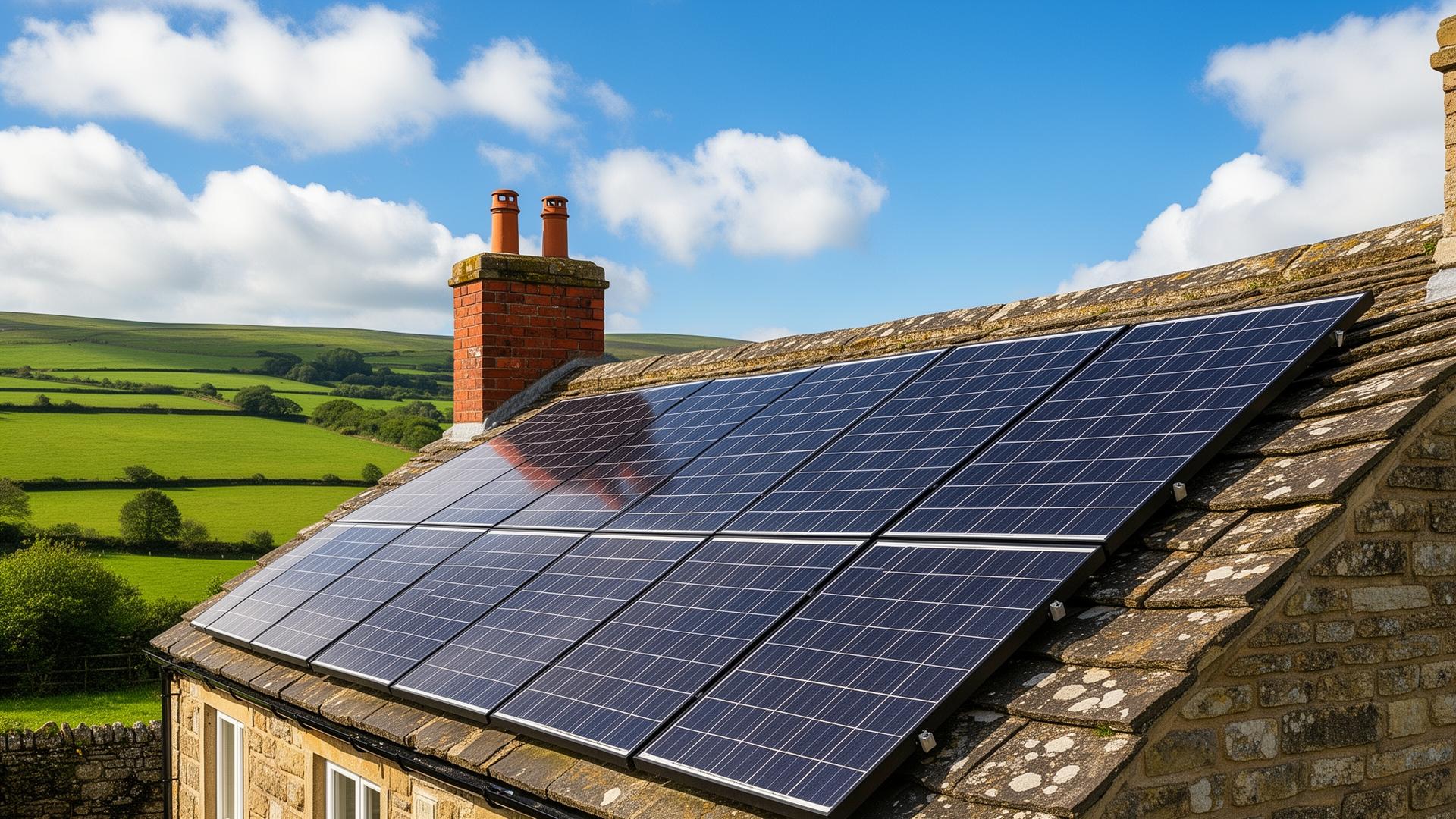
In summary: 7 ways to improve solar panel efficiency
- Choose the best roof direction for your home, with south-facing usually offering the highest output.
- Minimise shade from trees, chimneys and nearby buildings wherever possible.
- Add battery storage so you can use more of the electricity you generate.
- Keep your solar panels clean to stop dirt and debris reducing performance.
- Make sure the system is sized correctly for your roof space and energy usage.
- Use more electricity during daylight hours when your panels are generating.
- Monitor performance and work with an experienced installer who designs the system around your property.
1. Choose the right direction for your solar panels
If you want the highest possible generation from a domestic solar system in the UK, a south-facing roof is usually the best option. That is because it receives the most sunlight over the course of the day. Based on UK latitude, solar panels work best on a south-facing roof with no shading.
That said, not every high-performing system has to face due south. East- and west-facing roofs can still work very well, especially when the system is designed around your household’s usage patterns. If you tend to use more electricity in the morning or later in the day, an east- or west-facing setup may still make excellent practical sense.
This is one of the biggest reasons homeowners benefit from using an experienced installer. The right direction is not just about chasing the highest theoretical number. It is about choosing the orientation that delivers the best real-world performance for your home. That fits perfectly with our approach of designing solar systems around how you live, rather than forcing a one-size-fits-all package onto every property.
2. Avoid shade from trees, chimneys and nearby buildings
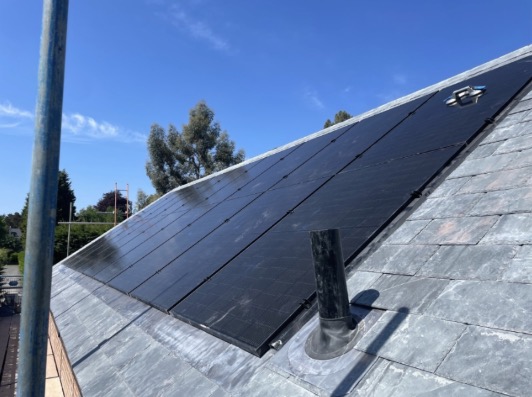
Shading has a major effect on solar panel performance. Nearby trees, neighbouring buildings, chimneys and even growing branches can all reduce the amount of sunlight reaching your panels. Solar panels perform best where there is no shading from nearby trees or buildings.
Careful planning is part of making sure a system is truly suitable for the property. For homeowners, this means it is worth looking beyond the roof itself. A system might look fine today, but if a nearby tree is likely to grow and cast more shade over time, that can reduce long-term output. The most efficient solar system is not simply one with enough panels. It is one with the right panel placement and the clearest access to sunlight throughout the day and across the year.
3. Use battery storage to make more of your own electricity
One of the best ways to get more value from a solar panel system is to add battery storage. Solar panels often generate the most electricity during the day, but that is not always when a household uses the most power. A battery lets you store excess generation for later, so you can use more of your own electricity in the evening or on duller days instead of buying as much from the grid.
Battery storage is a big part of how we help homeowners improve overall system efficiency. On your battery page, My Green Electricity states that a battery storage system can increase a property’s self-sufficiency by 50% or more. Your packages page also highlights battery-ready options, off-peak charging benefits and the ability to use stored energy later in the day.
Battery storage can also work well with time-of-use tariffs. Energy Saving Trust notes that some batteries can be charged when electricity is cheaper and then used later, which can improve overall cost-effectiveness. The important point, as always, is choosing the right battery size and setup for the home rather than assuming every property needs the same solution.
4. Keep your solar panels clean
Solar panels are low-maintenance, but they still need some care. Dirt, dust, leaves and bird droppings can block sunlight from reaching the panel surface properly, which can reduce performance. Regular cleaning (around every 6-months), will help ensure maximum efficiency.
In many cases, rainfall will help wash away lighter dirt, but it will not always remove everything. If debris builds up over time, especially in areas with overhanging trees or heavy bird activity, output can suffer. Keeping panels clean helps protect the generation your system was designed to deliver.
5. Make sure the system is the right size for your home
Efficiency starts before the panels even go on the roof. A well-sized system will nearly always outperform a poorly matched one in real life. We recommend systems based on available roof or garden space and your current electricity usage, and if no standard package fits, you design a bespoke solar package based on the property’s requirements.
That approach matters because homes do not all use electricity in the same way. Some households are empty for much of the day. Others may have an electric vehicle, electric heating or plans to add battery storage later. Previous energy usage, time spent at home during the day and overall system losses should all be considered when predicting performance.
6. Use more electricity while your panels are generating
A simple but often overlooked tip is to use more electricity during daylight hours. Solar panels only generate electricity when there is daylight, so the more of that electricity you use directly, the more value you usually get from the system.
In practical terms, this can mean running appliances such as the washing machine or dishwasher during the day rather than late in the evening. It can also mean planning EV charging, where possible, around solar generation or pairing the system with a battery and tariff that give you more flexibility. Battery storage and smart tariffs are also great ways to maximise the energy savings of your solar panel system.
This is not about changing your whole routine. It is about making a few smarter choices so more of your solar power stays in your home rather than being exported unnecessarily. Small habits can make a noticeable difference over the lifetime of the system.
7. Monitor performance and choose an installer who plans properly
Even the best solar system needs to be checked from time to time. Monitoring helps you understand how much electricity your system is generating and can alert you to drops in performance caused by dirt, shading changes or faults.
Final thoughts
If you want to get the most out of your solar panel system, the fundamentals matter most. Choose the best direction available, reduce shading wherever possible, keep the panels clean, use battery storage if it suits your home, and make sure the whole system is designed around your actual energy use. Solar works best when the technology, the property and the homeowner’s routine all work together.
At My Green Electricity, that is exactly how we approach every installation. We take the time to understand your roof, your energy habits and your goals, then recommend a solar system that is right for your home. If you are looking for trusted solar installers in Yorkshire who focus on bespoke design, honest advice and long-term performance, we are here to help.
We believe the best solar system isn’t the biggest one we can sell you. It’s the one that’s designed properly for your home, using the available space and built around how your household uses electricity. To find out more, get in touch for a quote.